
Orthopedic Nurse
Nursing Career Guide
Overview
What Is an Orthopedic Nurse?
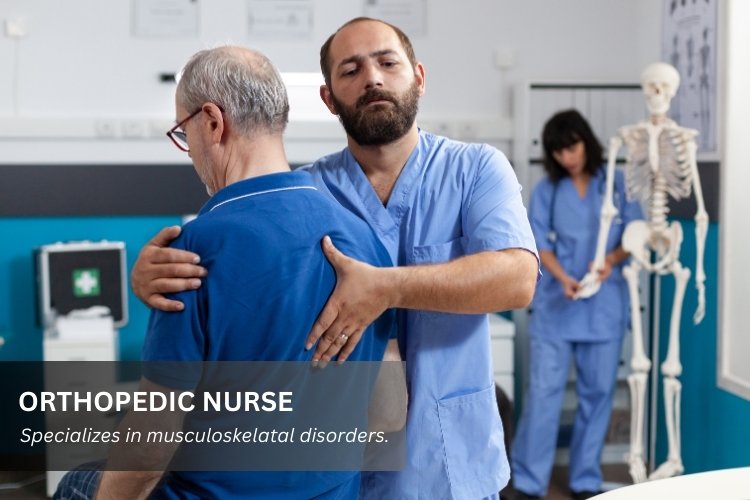
An Orthopedic Nurse is a Registered Nurse (RN) who specializes in caring for patients with musculoskeletal injuries, disorders, surgeries, and recovery needs. These nurses help manage conditions involving bones, joints, muscles, ligaments, tendons, and mobility limitations, often working with patients before surgery, after procedures, or during rehabilitation.
Orthopedic nursing blends hands-on clinical care with patient education and recovery support. Nurses in this specialty may care for patients with fractures, joint replacements, spine problems, sports injuries, chronic degenerative conditions, or trauma-related orthopedic needs. Their work is especially important because mobility, pain control, wound healing, and safe rehabilitation are all closely connected in orthopedic recovery.
This specialty appeals to nurses who enjoy practical bedside care, recovery-focused treatment, and helping patients regain movement and function. It overlaps at times with rehabilitation nursing and surgical nursing roles, but Orthopedic Nurses are specifically centered on musculoskeletal care and postoperative orthopedic recovery.
Education
How To Become an Orthopedic Nurse
Becoming an Orthopedic Nurse requires nursing education, RN licensure, and clinical experience caring for surgical, rehabilitation, or musculoskeletal patients. Employers often value nurses who are comfortable with postoperative care, mobility support, pain management, and the coordination needed to help patients recover function safely. Follow these steps to become an Orthopedic Nurse:
- Earn a Nursing Degree. Complete an Associate Degree in Nursing (ADN) or a Bachelor of Science in Nursing (BSN), depending on your goals and employer preferences.
- Pass the NCLEX-RN. Obtain licensure as a Registered Nurse and maintain an active RN license.
- Build Relevant Clinical Experience. Gain experience in medical-surgical nursing, postoperative care, rehabilitation, or orthopedic units where mobility and surgical recovery are common.
- Develop Orthopedic Skills. Learn about fracture care, joint replacement recovery, wound care, splints and immobilization, pain management, and patient mobility planning.
- Pursue Orthopedic Certification if Helpful. Some nurses later pursue Orthopaedic Nurses Certified (ONC) or related specialty credentials to strengthen their qualifications.
How long does it take to become an Orthopedic Nurse? It typically takes 3-6 years to become an Orthopedic Nurse, depending on the nursing degree earned and how quickly a nurse moves into orthopedic or postoperative care settings. Additional time may be needed to qualify for specialty certification and higher-level orthopedic roles.
Some nurses also continue their education through an RN to BSN program or later pursue advanced orthopedic, rehabilitation, or perioperative nursing pathways.
Average Salary
How Much Does an Orthopedic Nurse Make?
Orthopedic Nurse salaries vary based on employer type, region, surgical experience, certifications, and whether the role is based in a hospital, rehabilitation setting, clinic, or surgical center. Compensation often tracks with the broader registered nurse market while increasing for nurses who develop strong postoperative, surgical, and musculoskeletal care expertise.
Average annual salary for an Orthopedic Nurse:
- Entry-level: $72,000 - $84,000 per year.
- Mid-career: $84,000 - $98,000 per year.
- Experienced: $98,000 - $112,000+ per year.
The U.S. Department of Labor tracks these nurses within the general Registered Nurse category, so pay trends often reflect the wider RN market. Nurses who work in surgical orthopedics, high-volume joint replacement programs, or related roles such as perioperative nursing may earn more than the average in some settings.
Career advancement for Orthopedic Nurses often includes roles such as charge nurse, orthopedic coordinator, nurse educator, or nurse manager. Others move into surgical services, rehabilitation leadership, orthopedic clinics, or advanced practice roles connected to musculoskeletal care.
Job Duties
What Does an Orthopedic Nurse Do?
Orthopedic Nurses care for patients whose mobility, bone health, joints, or musculoskeletal recovery needs require focused nursing support. Their day often centers on assessment, postoperative care, pain control, wound management, and patient teaching. The most common job duties of an Orthopedic Nurse include:
- Assessing Musculoskeletal Conditions. Monitor pain, swelling, circulation, mobility, wound status, and recovery progress in orthopedic patients.
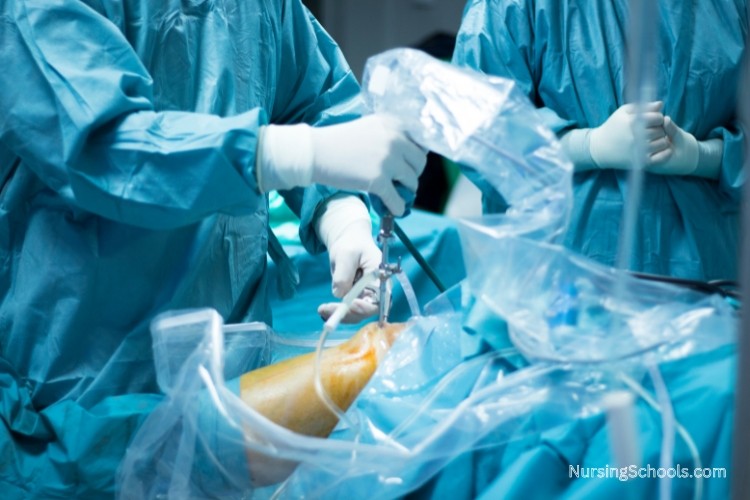
- Supporting Surgical Recovery. Help care for patients recovering from joint replacements, fracture repair, spine procedures, or other orthopedic surgeries.
- Administering Medications and Treatments. Provide pain medications, antibiotics, anticoagulants, and other therapies ordered during recovery.
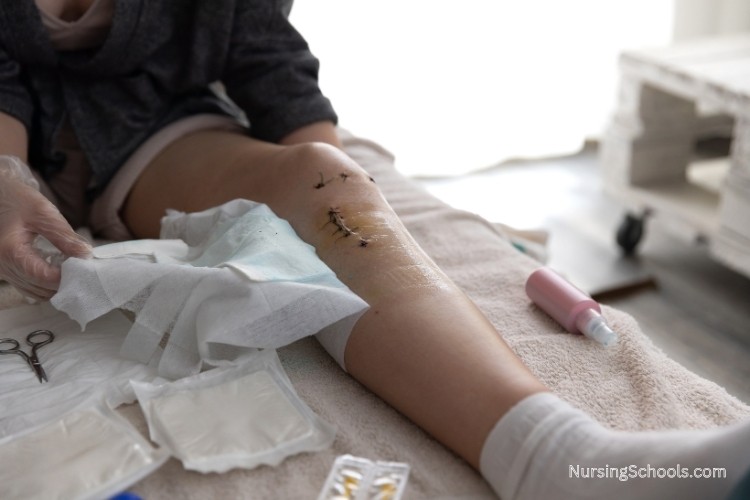
- Managing Wounds, Casts, and Splints. Perform dressing changes, monitor surgical sites, and support safe care for immobilization devices.
- Helping With Mobility and Rehabilitation. Reinforce safe movement, positioning, transfers, and early activity plans in coordination with therapy teams.
- Educating Patients and Families. Explain postoperative precautions, rehabilitation expectations, equipment use, and home recovery instructions.
- Coordinating Care. Work with orthopedic surgeons, physical therapists, case managers, and other professionals involved in recovery planning.
- Advanced Duties. Experienced Orthopedic Nurses may help coordinate joint programs, mentor staff, or support specialty orthopedic initiatives.
A typical shift may include monitoring a patient after joint replacement, assisting with early ambulation, changing a dressing, reinforcing home recovery instructions, and coordinating discharge needs. Orthopedic nursing is highly practical and recovery-focused, which means even routine tasks often play a major role in whether a patient regains mobility safely and successfully.
Essential Skills
What Skills Does an Orthopedic Nurse Need?
Orthopedic Nurses need strong assessment skills, mobility-focused clinical judgment, and the ability to teach patients how to recover safely. They often care for people in pain or facing temporary or permanent movement limitations, so both technical and interpersonal skills are important. Here are some of the skills an Orthopedic Nurse needs to succeed:
- Assessment Skills. Recognize swelling, pain changes, circulation issues, infection signs, and mobility problems that may affect recovery.
- Pain Management. Support safe and effective control of postoperative pain, injury-related discomfort, and movement-associated symptoms.
- Mobility Knowledge. Understand positioning, transfer safety, assistive devices, and early rehabilitation principles.
- Wound and Device Care. Manage dressings, braces, splints, traction support, and orthopedic equipment with attention to detail.
- Communication. Explain recovery instructions clearly and help patients feel prepared for discharge and rehabilitation.
- Patience and Encouragement. Support patients who may feel frustrated, fearful, or discouraged by limited mobility or slow recovery.
- Teamwork. Collaborate closely with surgeons, therapists, case managers, and bedside teams involved in orthopedic recovery.
- Organization. Balance medications, wound care, mobility goals, charting, and discharge education across multiple patients.
One of the biggest challenges of being an Orthopedic Nurse is helping patients move and recover even when pain, weakness, or fear make progress difficult. Recovery can be physically demanding and sometimes frustrating for patients, which means nurses in this field need patience, steady encouragement, and close attention to safety. That combination of practical skill and supportive coaching is a big part of orthopedic nursing.
Work Environment
Where Does an Orthopedic Nurse Work?
Orthopedic Nurses work in healthcare environments where patients are being treated for fractures, joint problems, musculoskeletal surgery, or recovery-related mobility needs. These settings often combine surgical care, rehabilitation, and discharge planning, with nurses playing a central role in helping patients heal and regain function. The most common workplaces for an Orthopedic Nurse include:
- Hospital Orthopedic Units. Care for patients recovering from fractures, joint replacements, spine procedures, and other orthopedic conditions.
- Surgical and Postoperative Units. Support patients before and after orthopedic procedures that require close monitoring and recovery teaching.
- Rehabilitation Facilities. Help patients regain mobility and function after surgery, injury, or prolonged musculoskeletal limitations.
- Outpatient Orthopedic Clinics. Assist with follow-up care, patient teaching, treatment planning, and procedure support.
- Ambulatory Surgery Centers. In some roles, provide preoperative and postoperative care for same-day orthopedic procedures.
Some Orthopedic Nurses later move into related specialties such as wound care nursing, rehabilitation, perioperative care, or clinic-based coordination roles. While the workplace may vary, the common focus is helping patients recover safely, manage pain, and return to daily activity as function improves.
Related Careers
Continue reading our nursing career guides.
Last updated: April 22, 2026
References:
- What Is Orthopedic Nursing: A Look Beyond the Bare Bones. Rasmussen University, Nursing Blog. Retrieved April 22, 2026.
- NAON Membership and Orthopaedic Certification. National Association of Orthopaedic Nurses. Retrieved April 22, 2026.
- Registered Nurses. Bureau of Labor Statistics, U.S. Department of Labor. Occupational Outlook Handbook. Retrieved April 22, 2026.
- Orthopedic Nurse Career Guide. Johnson & Johnson, Nursing Careers. Retrieved April 22, 2026.
- How To Become an Orthopedic Nurse in 4 Steps. Indeed, Career Guide. Retrieved April 22, 2026.
- Average Registered Nurse (RN) with Orthopedics Skills Hourly Pay. PayScale, Browse Jobs by Industry. Retrieved April 22, 2026.
- NCLEX Nurse Licensure Exam. National Council of State Boards of Nursing (NCSBN). Retrieved April 22, 2026.