
ICU Nurse
Nursing Career Guide

Overview
What Is an ICU Nurse?
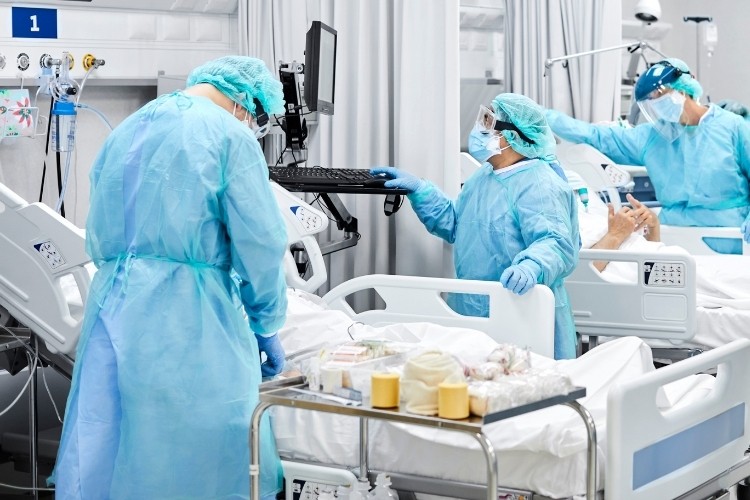
An ICU Nurse is a registered nurse who cares for patients with life-threatening injuries, illnesses, or post-surgical complications that require constant assessment and advanced treatment support. These nurses work with critically ill patients who may need ventilators, vasoactive medications, invasive monitoring, rapid interventions, and close coordination with physicians and the broader hospital team.
ICU nursing is one of the most demanding specialties in the profession because patients can change quickly and even small shifts in condition can have major consequences. The role blends technical knowledge, critical thinking, and emotional steadiness, which is why many nurses interested in this path first gain experience as a Registered Nurse (RN) in acute care before moving into intensive care.
This specialty appeals to nurses who want to manage complex patient situations and work in a setting where every detail matters. It shares some overlap with critical care nursing, but ICU practice is specifically centered on the intensive monitoring and treatment needs found in hospital intensive care units.
Education
How To Become an ICU Nurse
Becoming an ICU Nurse requires nursing education, RN licensure, and hands-on experience in acute or critical care settings. Employers want nurses who can respond calmly under pressure, work with advanced equipment, and recognize subtle patient changes before they become emergencies. Follow these steps to become an ICU Nurse:
- Earn a Nursing Degree. Complete an Associate Degree in Nursing (ADN) or a Bachelor of Science in Nursing (BSN), depending on your goals and the expectations of the employers you want to target.
- Pass the NCLEX-RN. Obtain licensure as a Registered Nurse and maintain an active RN license in your state.
- Build Acute Care Experience. Gain bedside experience in medical-surgical units, step-down units, emergency care, or other hospital roles that develop assessment and clinical decision-making skills.
- Transition into Critical Care. Apply for ICU positions or hospital residency programs that train nurses to care for unstable, high-acuity patients.
- Pursue Specialty Certification. Many ICU Nurses later earn CCRN certification through the American Association of Critical-Care Nurses to demonstrate advanced knowledge in critical care practice.
How long does it take to become an ICU Nurse? It typically takes 4-6 years to become an ICU Nurse, depending on the nursing degree earned and how quickly a nurse moves into a critical care setting. Additional time may be needed to gain enough experience for specialty certification and higher-acuity ICU roles.
Some ICU Nurses continue their education through an RN to BSN program or later pursue graduate study to move into advanced practice, education, or unit leadership roles.
Average Salary
How Much Does an ICU Nurse Make?
ICU Nurse salaries vary based on hospital type, shift differentials, geographic region, certification, and years of experience. Because intensive care involves advanced clinical skills and high-acuity patient assignments, compensation is often competitive within the broader RN market.
Average annual salary for an ICU Nurse:
- Entry-level: $70,000 - $82,000 per year.
- Mid-career: $82,000 - $96,000 per year.
- Experienced: $96,000 - $112,000+ per year.
The U.S. Department of Labor tracks ICU Nurses within the general Registered Nurse category, so pay often reflects the broader RN market with increases for hospital experience, certifications, and specialty unit work. Nurses working nights, weekends, trauma centers, or highly specialized units may earn more than the average, especially when they also bring experience from related roles such as emergency nursing.
Career advancement for ICU Nurses often includes roles such as charge nurse, preceptor, unit educator, rapid response nurse, or Nurse Manager. Others move into flight nursing, advanced practice, or specialty leadership roles connected to cardiovascular, trauma, or progressive care services.
Job Duties
What Does an ICU Nurse Do?
ICU Nurses care for patients whose conditions are unstable, complex, or life-threatening. Their day centers on assessment, treatment support, patient monitoring, and fast communication with the care team. The most common job duties of an ICU Nurse include:
- Monitoring Critically Ill Patients. Track vital signs, neurological status, oxygenation, hemodynamics, and other indicators of patient stability.
- Administering Medications and Treatments. Provide IV medications, sedation, infusions, and other therapies ordered for critically ill patients.
- Managing Advanced Equipment. Work with ventilators, cardiac monitors, infusion pumps, feeding tubes, and other high-acuity support devices.
- Responding to Emergencies. Recognize deterioration quickly and assist with code responses, rapid interventions, and urgent bedside procedures.
- Collaborating with Providers. Communicate with physicians, respiratory therapists, pharmacists, and other specialists involved in patient care.
- Supporting Families. Explain changes in condition, treatment plans, and expectations during an often stressful and emotional time.
- Documenting Care Carefully. Record assessments, medication changes, interventions, and treatment responses accurately and promptly.
- Advanced Duties. Experienced ICU Nurses may precept new staff, participate in quality improvement, or serve as a resource for complex critical care cases.
A typical shift may involve titrating drips, responding to a sudden change in blood pressure, preparing a patient for bedside procedures, and updating family members after rounds. ICU nursing requires steady attention throughout the day because even routine tasks can become urgent when a patient's condition changes. That combination of vigilance, teamwork, and rapid response is central to the ICU Nurse role.

Essential Skills
What Skills Does an ICU Nurse Need?
ICU Nurses need strong assessment skills, technical confidence, and the ability to remain calm while caring for some of the sickest patients in the hospital. They must combine precision with compassion because families and patients often rely on them for both clinical support and clear communication. Here are some of the skills an ICU Nurse needs to succeed:
- Critical Thinking. Interpret lab results, equipment readings, and subtle clinical changes to make sound decisions quickly.
- Close Observation. Notice small shifts in patient condition before they develop into larger emergencies.
- Technical Proficiency. Work confidently with ICU monitoring equipment, infusion devices, and life-support technology.
- Communication. Share urgent updates clearly with providers, coworkers, patients, and family members.
- Time Management. Balance medications, assessments, procedures, documentation, and unexpected events in a demanding shift.
- Emotional Resilience. Stay steady while caring for unstable patients, grieving families, and high-stress clinical situations.
- Teamwork. Function well with respiratory therapists, specialists, and other nurses in a highly collaborative hospital environment.
- Adaptability. Adjust quickly when patient needs change or when an ICU assignment becomes more complex without much warning.
One of the biggest challenges of being an ICU Nurse is the emotional and mental intensity of the work. Patients may deteriorate quickly, outcomes are not always predictable, and families often need reassurance during extremely difficult moments. That is why strong coping skills, steady judgment, and consistent attention to detail are so important in intensive care nursing.
Work Environment
Where Does an ICU Nurse Work?
ICU Nurses usually work in hospitals where patients need continuous monitoring and immediate access to advanced treatment. Their workplace is fast-paced, equipment-heavy, and highly collaborative, with every shift built around close observation and frequent clinical decision-making. The most common workplaces for an ICU Nurse include:
- Medical Intensive Care Units. Care for adults with severe illnesses, sepsis, respiratory failure, and other complex medical conditions.
- Surgical Intensive Care Units. Support patients recovering from major surgery, trauma, or serious postoperative complications.
- Cardiovascular and Cardiac ICUs. Treat patients with heart failure, cardiac surgery recovery needs, or other high-acuity cardiovascular conditions.
- Neurological or Neuro ICUs. Monitor patients with strokes, traumatic brain injuries, seizures, or other serious neurological problems.
- Pediatric and Neonatal ICUs. Provide intensive care to infants and children in age-specific critical care environments.
Some ICU Nurses later move into step-down units, rapid response programs, transport roles, or other related specialties such as trauma nursing. While the exact unit may vary, the core environment remains one where nurses must stay alert, communicate constantly, and respond quickly when patient needs change.
Related Careers
Continue reading our nursing career guides.


Last updated: April 23, 2026
References:
- Initial Certifications. American Association of Critical-Care Nurses, Certification. Retrieved April 23, 2026.
- Career Spotlight: ICU Nurse. Excelsior University, Life at Excelsior. Retrieved April 23, 2026.
- ICU Nurse Career. Western Governors University, Healthcare Career Guides. Retrieved April 23, 2026.
- Registered Nurses. Bureau of Labor Statistics, U.S. Department of Labor. Occupational Outlook Handbook. Retrieved April 23, 2026.
- Critical Care Nurse. Johnson & Johnson, Nursing Careers. Retrieved April 23, 2026.
- How To Become an ICU Nurse. Indeed, Career Guide. Retrieved April 23, 2026.
- Average Nurse, Intensive Care Unit (ICU) Hourly Pay. PayScale, Browse Jobs by Industry. Retrieved April 23, 2026.
- NCLEX Nurse Licensure Exam. National Council of State Boards of Nursing (NCSBN). Retrieved April 23, 2026.