
Informatics Nurse
Nursing Career Guide
Overview
What Is an Informatics Nurse?
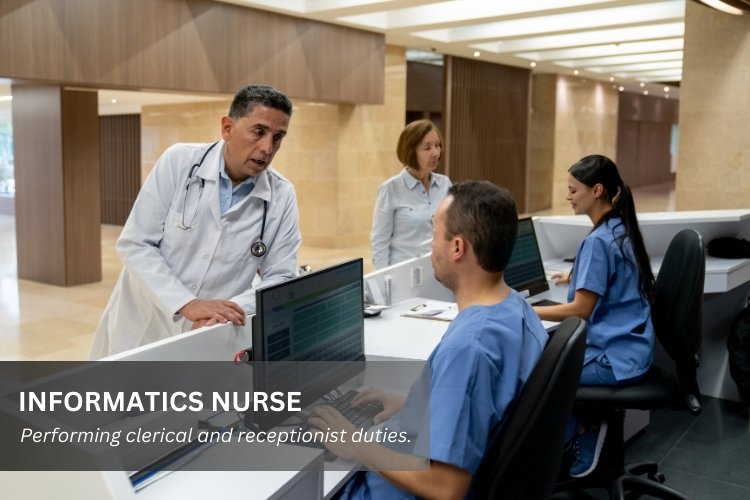
An Informatics Nurse is a Registered Nurse (RN) who combines clinical knowledge with data, systems design, and healthcare technology. This specialty focuses on improving how information is collected, shared, and used across patient care environments so nurses, providers, and organizations can work more efficiently and make better decisions.
Rather than spending every shift in direct bedside care, Informatics Nurses often work behind the scenes to improve electronic health records, clinical workflows, reporting systems, quality initiatives, and staff training. Many employers also use the term nurse informaticist, and these professionals often serve as a bridge between bedside teams, leadership, analysts, and information technology departments.
Informatics nursing is a strong fit for nurses who enjoy systems thinking, documentation improvement, and process design. It blends nursing judgment with the problem-solving focus seen in roles such as Case Management Nursing and other positions that shape how care is coordinated across an organization.
Education
How To Become an Informatics Nurse
Becoming an Informatics Nurse usually starts with nursing education and RN licensure, followed by bedside or clinical experience that helps a nurse understand how documentation, communication, and workflows affect patient care. Because informatics roles vary by employer, some positions emphasize project work and training while others focus more on analytics, optimization, compliance, or systems implementation. Follow these steps to become an Informatics Nurse:
- Earn a Nursing Degree. Complete an Associate Degree in Nursing (ADN) or, more commonly, a Bachelor of Science in Nursing (BSN).
- Pass the NCLEX-RN. Become licensed as a Registered Nurse and maintain an active RN license.
- Gain Clinical Experience. Build real-world nursing experience so you understand workflows, documentation needs, safety concerns, and care coordination challenges.
- Develop Informatics Knowledge. Learn about electronic health records, data reporting, system optimization, workflow mapping, staff training, and healthcare technology implementation.
- Pursue Certification or Graduate Education. Some nurses earn informatics certification through ANCC or complete graduate study in nursing informatics, health informatics, leadership, or a related field.
How long does it take to become an Informatics Nurse? It often takes 4-7 years to become an Informatics Nurse, depending on the nursing degree earned, the amount of clinical experience gained, and whether additional education or certification is pursued. Nurses moving into advanced leadership or enterprise-level informatics roles may spend longer developing both technical and operational expertise.
Some Informatics Nurses complete an RN to MSN program, earn a traditional master's degree, or move into leadership pathways that combine nursing, data, and healthcare operations.
Average Salary
How Much Does an Informatics Nurse Make?
Informatics Nurse salaries vary based on employer type, region, technical responsibilities, and whether the role is tied to project work, clinical systems leadership, analytics, or enterprise health IT support. Because this specialty combines nursing expertise with system-level knowledge, salaries can be competitive and may rise with experience in implementation, optimization, compliance, and leadership.
Average annual salary for an Informatics Nurse:
- Entry-level: $78,000 - $90,000 per year.
- Mid-career: $90,000 - $105,000 per year.
- Experienced: $105,000 - $125,000+ per year.
Compensation may be higher in large health systems, consulting environments, and healthcare technology organizations where nurses help shape enterprise-wide systems. Informatics Nurses with strong backgrounds in quality improvement, project implementation, or roles related to nursing leadership may earn above-average pay.
Career advancement for Informatics Nurses often includes roles such as clinical analyst, application specialist, informatics manager, project manager, or director of clinical informatics. Some eventually move into executive leadership positions such as chief nursing informatics officer, while others transition into education, consulting, or policy-focused work.
Job Duties
What Does an Informatics Nurse Do?
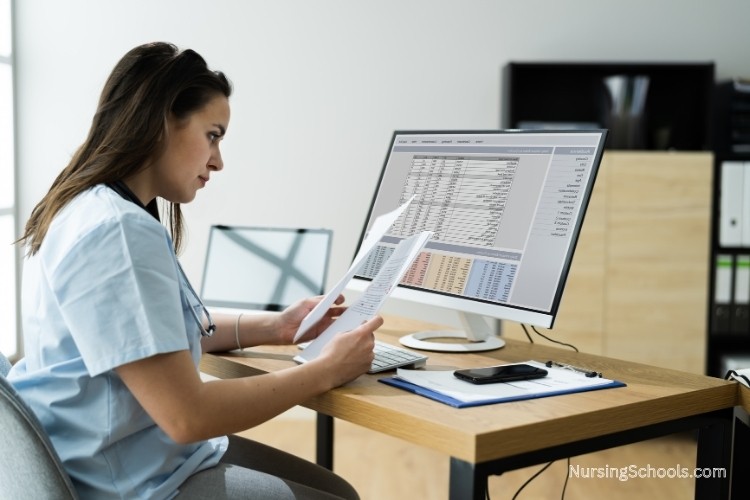
Informatics Nurses help healthcare organizations use information systems more effectively. Their work often centers on improving documentation, supporting system rollouts, troubleshooting workflow issues, and making sure nurses and providers can use digital tools safely and efficiently. The most common job duties of an Informatics Nurse include:
- Improving Electronic Health Records. Help design, configure, test, and optimize EHR workflows to support safer and more efficient documentation.
- Training Clinical Staff. Teach nurses and other healthcare professionals how to use new systems, updates, and digital tools in everyday practice.
- Analyzing Workflow Problems. Identify bottlenecks, documentation issues, and usability concerns that affect patient care or staff efficiency.
- Supporting System Implementation. Participate in go-lives, upgrades, template changes, and other technology projects across departments or facilities.
- Using Data to Improve Care. Review reports, trends, and performance measures to support quality improvement and better clinical decision-making.
- Collaborating Across Teams. Work with nurses, physicians, analysts, educators, compliance staff, and IT professionals to align systems with clinical needs.
- Protecting Information Integrity. Support policies and practices related to accurate documentation, privacy, security, and appropriate data use.
- Advanced Duties. Experienced Informatics Nurses may lead projects, guide strategic planning, or help evaluate new clinical technologies before adoption.
A typical day may include reviewing documentation concerns from nursing staff, meeting with analysts about a workflow change, testing a new charting build, and helping leaders interpret data tied to quality goals. Unlike many bedside roles, the impact of informatics nursing is often seen in how well entire departments document, communicate, and coordinate care. That systems-level perspective is what makes this specialty so important.

Essential Skills
What Skills Does an Informatics Nurse Need?
Informatics Nurses need a mix of nursing knowledge, technical confidence, communication skills, and process-oriented thinking. They must understand clinical realities while also seeing how systems, data, and workflow design influence the quality of patient care. Here are some of the skills an Informatics Nurse needs to succeed:
- Clinical Understanding. Know how documentation, medication workflows, handoffs, and care coordination affect bedside nursing practice.
- Technical Aptitude. Learn software systems, EHR tools, data dashboards, and workflow logic used across healthcare organizations.
- Problem-Solving. Identify system issues and find practical solutions that improve usability without disrupting patient care.
- Communication. Translate clinical needs to IT teams and explain technical changes clearly to nurses and healthcare staff.
- Training and Support. Guide staff through updates, answer questions, and help others feel confident using new systems.
- Project Coordination. Stay organized during implementations, upgrades, testing, and process improvement efforts.
- Data Awareness. Understand how reports, trends, and quality metrics can inform better operational and clinical decisions.
- Adaptability. Adjust to changing technologies, regulatory expectations, and organizational priorities over time.
One of the biggest challenges of being an Informatics Nurse is balancing the needs of frontline clinicians with the limitations of software systems, timelines, and organizational goals. This specialty requires patience, diplomacy, and the ability to improve systems without losing sight of how those systems affect real patient care. That balance between technology and nursing practice is central to success in informatics nursing.
Work Environment
Where Does an Informatics Nurse Work?
Informatics Nurses work in healthcare environments where clinical care depends on reliable digital systems, accurate documentation, and efficient communication. Some roles are based within hospitals and health systems, while others are found in consulting, education, public health, and technology organizations. The most common workplaces for an Informatics Nurse include:
- Hospitals and Health Systems. Support EHR optimization, workflow design, staff training, and quality improvement across clinical departments.
- Healthcare Technology Companies. Help design, test, or support products used by nurses, providers, and healthcare organizations.
- Consulting Firms. Work on implementations, system transitions, compliance initiatives, and operational improvement projects.
- Public Health and Government Settings. Contribute to reporting systems, health data initiatives, and broader care coordination efforts.
- Academic and Research Institutions. Support educational technologies, data projects, research systems, and evidence-based practice initiatives.
Some Informatics Nurses work hybrid or remote schedules, especially when their role focuses on system support, data analysis, or project management. Even so, the work still depends on a solid understanding of nursing practice, and many professionals in this field continue collaborating closely with bedside teams such as nurse educators and operational leaders.
Related Careers
Continue reading our nursing career guides.


Last updated: April 25, 2026
References:
- Benefits of ANIA Membership. American Nursing Informatics Association. Retrieved April 25, 2026.
- How to Become a Nursing Informatics Specialist. St. Thomas University, Online Nursing Degrees. Retrieved April 25, 2026.
- How to Become an Informatics Nurse. Eagle Gate College, Blog. Retrieved April 25, 2026.
- Registered Nurses. Bureau of Labor Statistics, U.S. Department of Labor. Occupational Outlook Handbook. Retrieved April 25, 2026.
- Informatics Nurse. Johnson & Johnson, Nursing Careers. Retrieved April 25, 2026.
- Learn About Being a Nurse Informaticist. Indeed, Career Guide. Retrieved April 25, 2026.
- Average Informatics Nurse Salary. PayScale, Browse Jobs by Industry. Retrieved April 25, 2026.
- NCLEX Nurse Licensure Exam. National Council of State Boards of Nursing (NCSBN). Retrieved April 25, 2026.