
Labor and Delivery Nurse
Nursing Career Guide
Overview
What Is a Labor and Delivery Nurse?
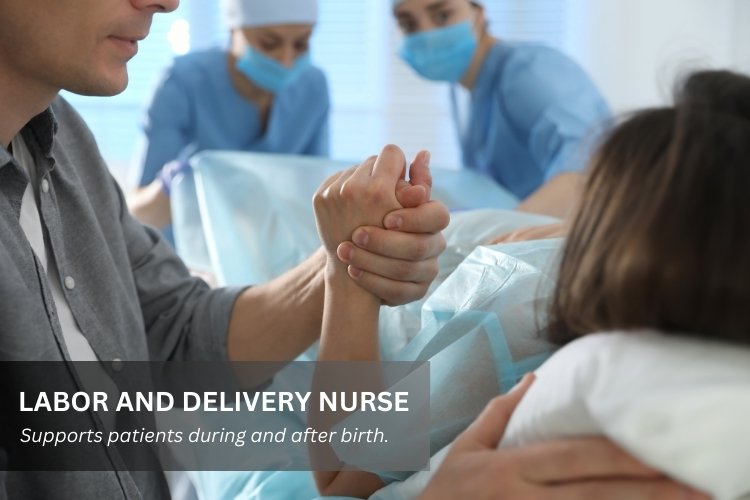
A Labor and Delivery Nurse is a Registered Nurse (RN) who cares for pregnant patients during labor, childbirth, and the immediate recovery period after delivery. These nurses monitor maternal and fetal well-being, support pain management, assist with medical interventions, and help guide families through one of the most important moments in their lives.
Labor and delivery nursing combines clinical skill with emotional support. Nurses in this specialty work closely with obstetricians, certified nurse midwives, anesthesiology teams, neonatal staff, and other hospital professionals to help keep both the birthing parent and baby safe. They may care for uncomplicated births, induced labor, cesarean deliveries, or high-risk situations where conditions can change quickly.
This specialty appeals to nurses who want a fast-paced role built around maternal-child care, patient education, and close bedside support. It shares some overlap with perinatal nursing and other women's health roles, but Labor and Delivery Nurses are specifically focused on the labor and birth process itself.
Education
How To Become a Labor and Delivery Nurse
Becoming a Labor and Delivery Nurse requires nursing education, RN licensure, and hands-on clinical experience in obstetrics, maternal-child care, or hospital nursing. Employers often look for nurses who are calm under pressure, confident in patient assessment, and comfortable supporting families during emotionally intense and sometimes unpredictable situations. Follow these steps to become a Labor and Delivery Nurse:
- Earn a Nursing Degree. Complete an Associate Degree in Nursing (ADN) or a Bachelor of Science in Nursing (BSN), depending on your career goals and employer expectations.
- Pass the NCLEX-RN. Obtain licensure as a Registered Nurse and maintain an active RN license in your state.
- Gain Bedside Experience. Build clinical experience in women's health, postpartum care, medical-surgical nursing, or another hospital setting that strengthens assessment and communication skills.
- Transition into Labor and Delivery. Apply for hospital maternity units, residency programs, or maternal-child roles that provide hands-on experience with laboring patients.
- Pursue Specialty Certifications. Some Labor and Delivery Nurses later earn credentials such as inpatient obstetric nursing or fetal monitoring certifications to strengthen their qualifications.
How long does it take to become a Labor and Delivery Nurse? It usually takes 4-6 years to become a Labor and Delivery Nurse, depending on the nursing degree earned and how quickly a nurse moves into obstetric practice. Additional time may be needed to gain experience in high-risk labor settings or complete specialty certifications.
Some nurses also continue their education through an RN to MSN program or later pursue advanced maternal-child roles such as Certified Nurse Midwife practice.
Average Salary
How Much Does a Labor and Delivery Nurse Make?
Labor and Delivery Nurse salaries vary based on hospital type, geographic location, experience, certifications, and shift schedules. Because this role combines bedside care, emergency readiness, and maternal-child expertise, compensation often tracks closely with hospital-based RN positions while increasing with experience and unit specialization.
Average annual salary for a Labor and Delivery Nurse:
- Entry-level: $72,000 - $84,000 per year.
- Mid-career: $84,000 - $97,000 per year.
- Experienced: $97,000 - $112,000+ per year.
The U.S. Department of Labor groups Labor and Delivery Nurses within the broader Registered Nurse category, so pay often reflects the hospital RN market with increases for specialty experience, certifications, and night or weekend differentials. Nurses working in high-volume maternity centers or high-risk obstetric units may earn more than the average, especially when they also bring experience from related roles such as postpartum nursing.
Career advancement for Labor and Delivery Nurses often includes roles such as charge nurse, unit educator, clinical coordinator, or Nurse Manager within women's services. Others continue into advanced practice, lactation support, fetal monitoring leadership, or maternal-child education roles.
Job Duties
What Does a Labor and Delivery Nurse Do?
Labor and Delivery Nurses care for patients before, during, and just after childbirth. Their day centers on continuous assessment, labor support, patient education, and quick response when complications arise. The most common job duties of a Labor and Delivery Nurse include:
- Monitoring Labor Progress. Track contractions, cervical changes, maternal status, and fetal heart rate throughout labor.
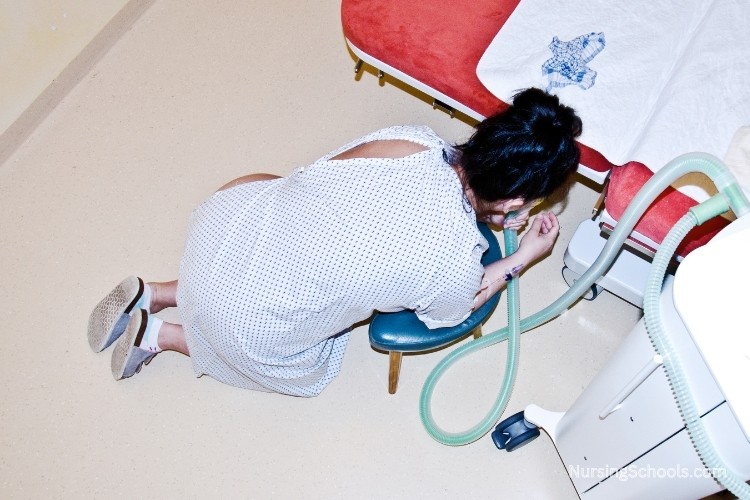
- Supporting Pain Management. Help patients use breathing techniques, positioning, medications, epidurals, and other comfort measures related to pain management.
- Preparing for Delivery. Assist with vaginal births, cesarean deliveries, inductions, and emergency interventions when needed.
- Administering Medications and Treatments. Provide IV fluids, labor-related medications, postpartum medications, and other ordered therapies.
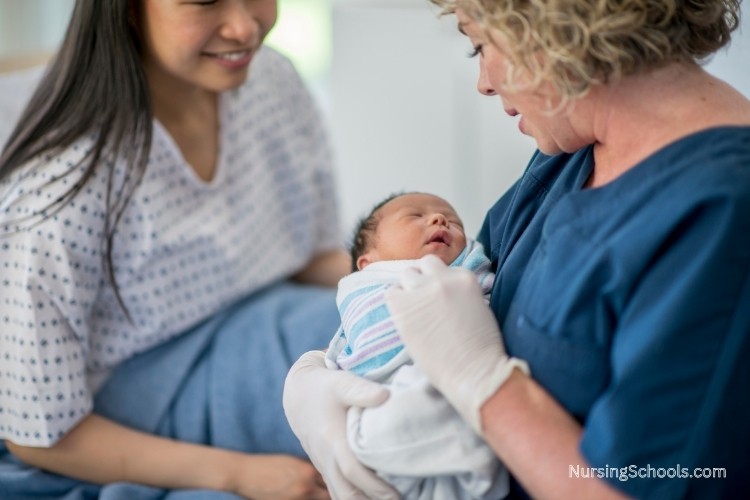
- Educating Families. Explain labor stages, care plans, newborn care basics, breastfeeding support, and recovery expectations.
- Responding to Complications. Recognize signs of fetal distress, maternal bleeding, labor arrest, or other urgent changes requiring immediate action.
- Documenting Care. Record labor progress, interventions, fetal monitoring findings, and patient responses accurately and promptly.
- Advanced Duties. Experienced Labor and Delivery Nurses may precept staff, assist with high-risk births, or coordinate care during complex obstetric situations.
A typical shift may include admitting a patient in early labor, coaching through contractions, helping prepare for an epidural, supporting a delivery, and then providing initial recovery care after birth. The pace can shift quickly from calm coaching to emergency intervention, which is one reason labor and delivery nursing requires both compassion and strong clinical readiness.
Essential Skills
What Skills Does a Labor and Delivery Nurse Need?
Labor and Delivery Nurses need strong assessment skills, emotional steadiness, and the ability to communicate clearly during both joyful and high-pressure moments. They support patients, newborns, and families while also staying ready for sudden clinical changes. Here are some of the skills a Labor and Delivery Nurse needs to succeed:
- Patient Assessment. Monitor maternal condition, fetal well-being, and labor progress while recognizing early warning signs.
- Communication. Explain procedures, encourage patients during labor, and keep families informed in a calm and supportive way.
- Critical Thinking. Respond quickly to fetal distress, stalled labor, postpartum bleeding, or other urgent complications.
- Emotional Support. Help patients and families feel informed, reassured, and cared for during an intense life event.
- Teamwork. Collaborate effectively with obstetricians, midwives, anesthesiology teams, neonatal staff, and postpartum nurses.
- Time Management. Balance patient education, fetal monitoring, medications, charting, and fast-moving bedside care tasks.
- Adaptability. Shift quickly between routine labor support and emergency clinical response when patient conditions change.
- Family-Centered Care. Support not just the patient, but also the partner or family members involved in the birth experience.
One of the biggest challenges of being a Labor and Delivery Nurse is the emotional and clinical unpredictability of childbirth. A birth plan may unfold smoothly, or a situation may become urgent with little warning. That is why calm decision-making, strong communication, and steady bedside presence are so important in labor and delivery nursing.
Work Environment
Where Does a Labor and Delivery Nurse Work?
Labor and Delivery Nurses work in maternity-focused environments where childbirth care is provided. Their workplace may range from a large hospital obstetric unit to a smaller community birthing center, but every setting requires close patient monitoring, teamwork, and readiness for sudden changes. The most common workplaces for a Labor and Delivery Nurse include:
- Hospital Labor and Delivery Units. Care for patients in active labor, induction, cesarean preparation, and immediate recovery.
- High-Risk Obstetric Units. Support patients with pregnancy complications who need close maternal and fetal monitoring.
- Birthing Centers. Assist with lower-risk births in more intimate settings focused on supportive labor care.
- Women's Health Clinics. In some roles, help with prenatal education, triage, and maternal-child support services.
- Community Healthcare Settings. Contribute to maternal health services, education, and local obstetric support programs.
Many Labor and Delivery Nurses work rotating shifts, nights, weekends, and holidays because childbirth care is needed around the clock. Some later move into related roles in neonatal nursing, postpartum care, maternal-child education, or advanced practice women's health settings.
Related Careers
Continue reading our nursing career guides.

Last updated: April 23, 2026
References:
- A Guide to Becoming a Labor and Delivery Nurse. Goodwin University, Career Guide. Retrieved April 23, 2026.
- Nurse Midwife. Mayo Clinic, College of Medicine and Science, Explore Healthcare Careers. Retrieved April 23, 2026.
- Registered Nurses. Bureau of Labor Statistics, U.S. Department of Labor. Occupational Outlook Handbook. Retrieved April 23, 2026.
- Labor and Delivery Nurse at a Glance. Johnson & Johnson, Nursing Careers. Retrieved April 23, 2026.
- Labor and Delivery Nurse Salary in the United States. Salary.com, Research, Healthcare. Retrieved April 23, 2026.
- Labor and Delivery Nurse. PayScale, Browse Jobs by Industry. Retrieved April 23, 2026.
- NCLEX Nurse Licensure Exam. National Council of State Boards of Nursing (NCSBN). Retrieved April 23, 2026.