
Diabetes Nurse
Nursing Career Guide
Overview
What Is a Diabetes Nurse?
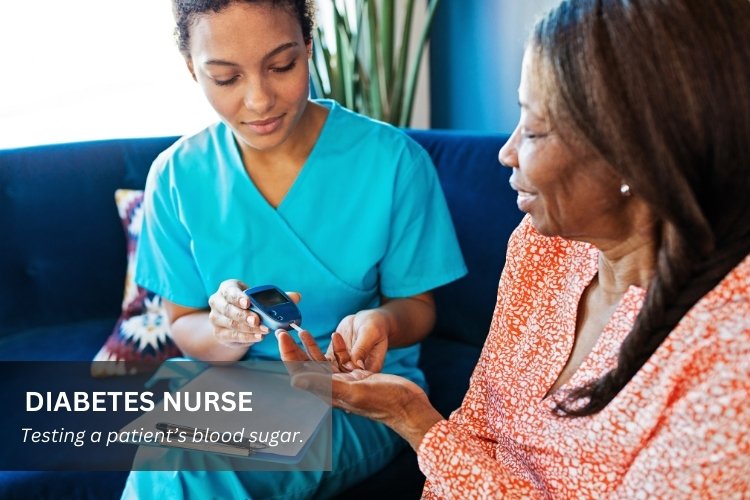
A Diabetes Nurse is a licensed Registered Nurse (RN) who specializes in caring for patients with diabetes and related metabolic conditions. These nurses help patients understand blood glucose management, medications, nutrition, physical activity, monitoring devices, and the long-term risks associated with uncontrolled diabetes.
Diabetes Nurses often work closely with patients who have Type 1 diabetes, Type 2 diabetes, gestational diabetes, or complex endocrine-related health concerns. In many settings, they serve as both educators and clinicians, helping patients build practical self-management habits while coordinating care with endocrinologists, primary care providers, dietitians, and other specialists.
This specialty is ideal for nurses who enjoy patient teaching, chronic disease management, and long-term relationship-based care. It combines clinical nursing knowledge with prevention, education, and ongoing support that may overlap with public health nursing and community-based chronic care services.
Education
How To Become a Diabetes Nurse
Becoming a Diabetes Nurse requires nursing education, RN licensure, and hands-on experience with patient education and chronic disease management. Many employers look for nurses who can explain complex care routines clearly, support behavior change, and work effectively with patients over time. Follow these steps to become a Diabetes Nurse:
- Earn a Nursing Degree. Complete an Associate Degree in Nursing (ADN) or a Bachelor of Science in Nursing (BSN).
- Pass the NCLEX-RN. Obtain licensure as a Registered Nurse and maintain an active nursing license in your state.
- Gain Relevant Clinical Experience. Build a foundation in med-surg, primary care, endocrinology, community health, or case management settings where diabetes care is common.
- Work with Diabetes Populations. Seek roles in hospitals, outpatient clinics, diabetes education programs, or specialty practices that focus on glucose management and prevention of complications.
- Pursue Certification and Continued Learning. Consider diabetes care and education certifications and continue learning about insulin therapy, glucose monitoring technology, and chronic disease counseling.
How long does it take to become a Diabetes Nurse? It typically takes 4-6 years to become a Diabetes Nurse, including nursing education, RN licensure, and enough clinical experience to work confidently in diabetes education and chronic disease care. Nurses who pursue a specialty credential usually need additional professional practice time before becoming eligible.
Some Diabetes Nurses later complete an RN bridge program, pursue graduate education, or develop deeper expertise in endocrine care, education, and advanced diabetes management.

Average Salary
How Much Does a Diabetes Nurse Make?
Salaries for Diabetes Nurses vary based on location, employer type, certification, and years of experience. On average, a Diabetes Nurse can expect to earn between $75,000 and $100,000 annually, with some positions paying more in specialty endocrine practices, hospital systems, or advanced education roles.
Average annual salary for a Diabetes Nurse:
- Entry-level: $75,000 - $82,000 per year.
- Mid-career: $82,000 - $92,000 per year.
- Experienced: $92,000 - $100,000+ per year.
The U.S. Department of Labor groups Diabetes Nurses under Registered Nurses, so compensation usually follows the broader RN market while rising with specialty experience. Nurses with strong backgrounds in patient education, insulin therapy, technology training, or managed care may earn above-average salaries in this field.
Career advancement for Diabetes Nurses often includes roles such as Diabetes Educator, Program Coordinator, Clinical Nurse Leader, or outpatient specialty supervisor. Others move into research, quality improvement, community health leadership, or advanced practice roles related to endocrinology and chronic disease care.
Job Duties
What Does a Diabetes Nurse Do?
Diabetes Nurses help patients understand and manage a condition that affects many areas of daily life. Their responsibilities vary by setting, but the role consistently includes patient education, health monitoring, medication support, and complication prevention. The most common job duties of a Diabetes Nurse include:
- Assessing Patient Needs. Evaluate blood glucose trends, medication routines, lifestyle habits, symptoms, and barriers to effective self-management.
- Teaching Diabetes Self-Management. Educate patients about insulin use, oral medications, blood sugar checks, nutrition, exercise, and hypoglycemia or hyperglycemia response.
- Monitoring for Complications. Watch for signs of neuropathy, poor wound healing, cardiovascular risk, kidney issues, or other diabetes-related complications.
- Supporting Medication and Insulin Therapy. Help patients understand dosing schedules, injection technique, storage, side effects, and device use.
- Coordinating Care. Work with endocrinologists, primary care teams, dietitians, pharmacists, and home health nurses when ongoing support is needed.
- Providing Family Education. Teach family members or caregivers how to support monitoring, nutrition choices, medication routines, and emergency response.
- Documenting Outcomes. Track patient progress, education provided, treatment adjustments, and follow-up goals in the medical record.
- Advanced Duties. Experienced Diabetes Nurses may help lead education programs, manage quality initiatives, support device training, or contribute to community prevention efforts.
Diabetes Nurses often spend the day balancing clinical follow-up with education and behavior-change coaching. A single shift may include reviewing glucose logs, helping a patient learn insulin injection technique, discussing nutrition concerns, and reinforcing foot care or risk-reduction strategies. That blend of education, chronic care management, and prevention makes diabetes nursing both practical and highly impactful.

Essential Skills
What Skills Does a Diabetes Nurse Need?
Diabetes Nurses need strong clinical knowledge along with the communication skills required to help patients manage a lifelong condition outside the clinic. Their ability to educate clearly, motivate change, and notice early signs of complications makes them essential in chronic disease care. Here are some of the skills a Diabetes Nurse needs to succeed:
- Patient Education. Teach patients how to monitor blood sugar, take medications correctly, and build sustainable daily routines.
- Communication. Explain complex diabetes concepts in practical language that patients and families can understand and use.
- Assessment Skills. Recognize changes in symptoms, treatment adherence, nutrition habits, and glucose patterns that may require intervention.
- Motivational Support. Encourage patients through setbacks, lifestyle adjustments, and the ongoing emotional demands of chronic condition management.
- Medication Knowledge. Understand insulin regimens, oral diabetes drugs, monitoring devices, and side effects well enough to support safe use.
- Prevention Focus. Reinforce habits that reduce risk for complications affecting the heart, kidneys, nerves, skin, and feet.
- Organization. Keep follow-up schedules, patient teaching plans, and long-term monitoring tasks aligned across visits.
- Adaptability. Tailor education and care plans for patients of different ages, health literacy levels, and support needs, including those receiving geriatric care.
One of the biggest challenges of being a Diabetes Nurse is helping patients manage a condition that requires daily effort long after the clinic visit ends. Some patients face financial barriers, medication fatigue, nutrition challenges, or burnout from trying to keep blood sugar under control. That makes empathy, persistence, and realistic patient teaching especially important in diabetes nursing.
Work Environment
Where Does a Diabetes Nurse Work?
Diabetes Nurses work in settings where chronic disease management, patient education, and follow-up care are central to improving outcomes. They are most often employed in environments that support ongoing glucose control, medication management, and prevention of diabetes-related complications. The most common workplaces for a Diabetes Nurse include:
- Hospitals. Support patients who are newly diagnosed, managing diabetes during acute illness, or recovering from complications that affect their treatment plan.
- Primary Care Clinics. Help patients with routine monitoring, medication follow-up, education, and long-term condition management.
- Endocrinology and Diabetes Centers. Work in specialty practices focused on insulin therapy, complex cases, and advanced diabetes education.
- Community Health Programs. Provide outreach, screening, and preventive education for populations at high risk for diabetes or related complications.
- Private and Outpatient Practices. Support physician-led or nurse-led programs that focus on diabetes counseling, monitoring, and coordinated follow-up care.
Most Diabetes Nurses work daytime schedules in outpatient settings, although hospital-based roles may involve shift work. Their day often includes teaching, chart review, follow-up communication, and reinforcement of care plans rather than the fast procedural pace seen in some acute care specialties.
Related Careers
Continue reading our nursing career guides.


Last updated: April 18, 2026
References:
- Advancing the Field of Diabetes Care and Education. Association of Diabetes Care & Education Specialists. Retrieved April 18, 2026.
- Professional Development. American Diabetes Association. Retrieved April 18, 2026.
- Registered Nurses. Bureau of Labor Statistics, U.S. Department of Labor. Occupational Outlook Handbook. Retrieved April 18, 2026.
- Diabetes Nurse. Johnson & Johnson, Nursing Careers. Retrieved April 18, 2026.
- How To Become a Diabetes Educator Nurse in 5 Steps. Indeed, Career Guide. Retrieved April 18, 2026.
- Diabetes Nurse. PayScale, Browse Jobs by Industry. Retrieved April 18, 2026.
- NCLEX Nurse Licensure Exam. National Council of State Boards of Nursing (NCSBN). Retrieved April 18, 2026.