
Cosmetic Nurse
Nursing Career Guide
Overview
What Is a Cosmetic Nurse?
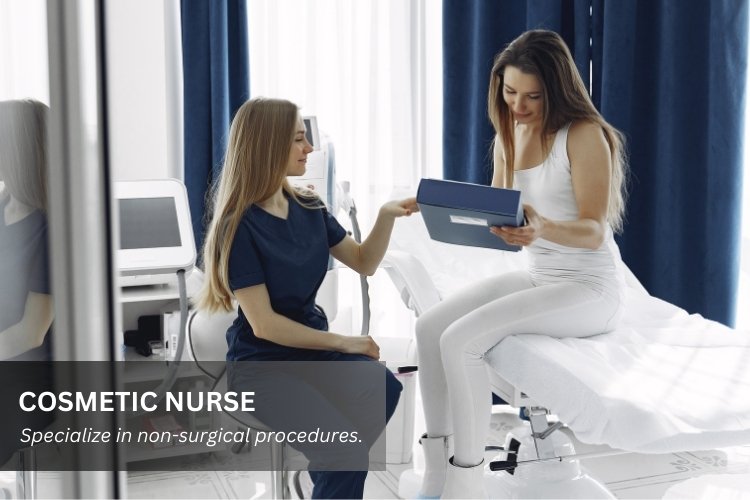
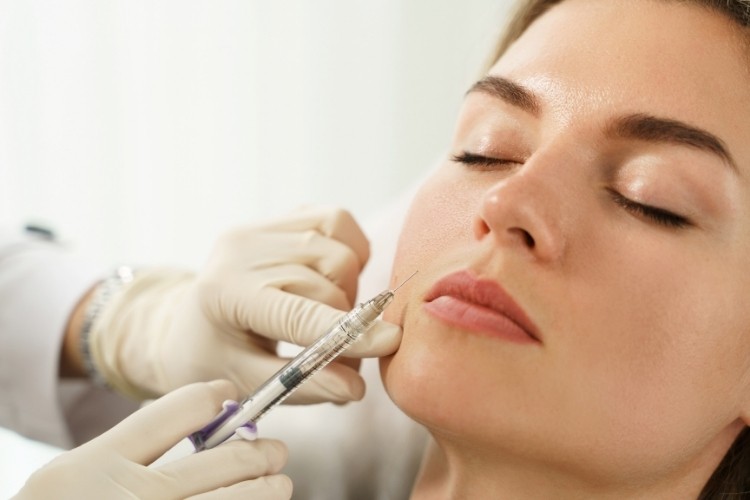
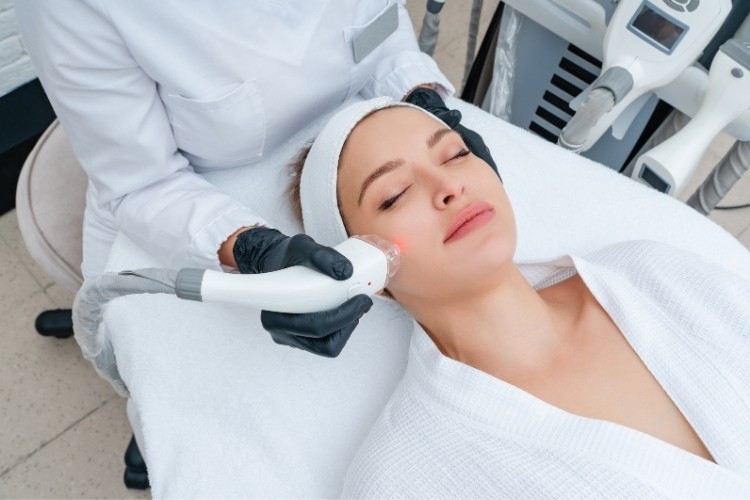
A Cosmetic Nurse, sometimes called an Aesthetic Nurse, is a licensed Registered Nurse (RN) who specializes in non-surgical cosmetic treatments and patient care related to aesthetic procedures. These nurses often work with patients seeking treatments such as neuromodulator injections, dermal fillers, laser procedures, skin rejuvenation, and pre- or post-procedure support.
Cosmetic Nurses combine clinical skill with an eye for symmetry, facial anatomy, and patient communication. In many practices, they help patients understand realistic expectations, review treatment options, and support safe outcomes before, during, and after aesthetic services.
This role is ideal for nurses who enjoy patient education, detail-oriented work, and a specialty that blends healthcare with appearance-focused goals. It requires professionalism, assessment skills, and the ability to deliver individualized care in highly client-facing environments.
Education
How To Become a Cosmetic Nurse
Becoming a Cosmetic Nurse requires nursing education, RN licensure, and specialized training in aesthetic procedures. While some employers provide on-the-job instruction, many prefer candidates who already have strong clinical experience and a solid understanding of skin care, facial anatomy, and cosmetic treatment safety. Follow these steps to become a Cosmetic Nurse:
- Earn a Nursing Degree. Complete an Associate Degree in Nursing (ADN) or a Bachelor of Science in Nursing (BSN).
- Pass the NCLEX-RN. Obtain licensure as a Registered Nurse and maintain an active nursing license in your state.
- Gain Relevant Clinical Experience. Build a strong foundation in dermatology, plastic surgery, med-surg, outpatient care, or skin-focused nursing practice.
- Complete Aesthetic Training. Take courses in injectables, laser safety, skincare treatments, and consultation techniques through reputable cosmetic or aesthetic training programs.
- Pursue Employment and Ongoing Education. Apply to medical spas, plastic surgery offices, or aesthetic practices and continue refining your technique as new products and procedures enter the market.
How long does it take to become a Cosmetic Nurse? It typically takes 3-6 years to become a Cosmetic Nurse, including nursing education, licensure, and enough clinical or specialty training to work confidently in an aesthetic setting. Nurses who already have experience in dermatology, plastic surgery, or outpatient procedures may transition more quickly into the role.
Some Cosmetic Nurses later pursue certifications such as aesthetic nursing credentials, advanced injector training, or complete an RN to BSN program to strengthen their qualifications and expand career options.
Average Salary
How Much Does a Cosmetic Nurse Make?
Salaries for Cosmetic Nurses vary based on location, employer type, commission structure, treatment mix, and years of experience. On average, a Cosmetic Nurse can expect to earn between $75,000 and $105,000 annually, with some positions paying more when bonuses, product sales incentives, or high-demand injector skills are involved.
Average annual salary for a Cosmetic Nurse:
- Entry-level: $75,000 - $85,000 per year.
- Mid-career: $85,000 - $95,000 per year.
- Experienced: $95,000 - $105,000+ per year.
The U.S. Department of Labor groups Cosmetic Nurses under Registered Nurses, though pay in this specialty may differ significantly from traditional hospital roles. Nurses who develop strong consultation skills, advanced injection experience, or expertise in aesthetic skin treatments may earn above-average compensation.
Career advancement for Cosmetic Nurses often includes roles such as Lead Injector, Aesthetic Trainer, Practice Manager, or Clinical Educator for cosmetic products and devices. Others move into entrepreneurship, consulting, or advanced practice roles tied to aesthetics, dermatology, or cosmetic medicine.
Job Duties
What Does a Cosmetic Nurse Do?
Cosmetic Nurses help patients pursue aesthetic goals while maintaining a strong focus on safety, realistic expectations, and treatment quality. Their daily responsibilities vary by state regulations, physician oversight requirements, and the type of practice, but the role consistently combines clinical care, cosmetic procedures, and patient education. The most common job duties of a Cosmetic Nurse include:
- Conducting Patient Consultations. Review medical history, discuss treatment goals, identify contraindications, and help patients understand realistic outcomes.
- Performing Cosmetic Treatments. Administer neuromodulators, dermal fillers, skin treatments, or assist with laser and minimally invasive procedures when allowed by training and state rules.
- Providing Pre- and Post-Procedure Care. Educate patients about preparation, aftercare, recovery expectations, and when to report complications.
- Assessing Skin and Facial Anatomy. Evaluate facial balance, skin condition, and treatment appropriateness before recommending services.
- Documenting Care. Maintain treatment records, consent forms, before-and-after notes, and product usage documentation.
- Monitoring for Complications. Recognize signs of adverse reactions, infection, bruising, vascular compromise, or poor healing and respond appropriately.
- Supporting Treatment Planning. Coordinate with plastic surgeons, dermatologists, or medical directors on patient care plans and scheduling.
- Advanced Duties. Experienced Cosmetic Nurses may help train staff, oversee treatment protocols, manage inventory, or support practice growth through patient retention and education.
Cosmetic Nurses often spend their day moving between consultations, treatments, patient follow-up, and documentation. A single shift may include evaluating a new patient for injectables, assisting with a cosmetic procedure, teaching aftercare instructions, and reviewing photographs or outcomes with returning clients. That mix of technical skill, communication, and aesthetic judgment is what makes the role both highly visible and highly specialized.
Essential Skills
What Skills Does a Cosmetic Nurse Need?
Cosmetic Nurses need strong clinical judgment along with the interpersonal and technical skills required in appearance-focused care settings. Their ability to communicate clearly, assess patient expectations, and deliver treatments precisely makes them essential to safe and successful aesthetic practices. Here are some of the skills a Cosmetic Nurse needs to succeed:
- Facial Anatomy Knowledge. Understand muscles, vasculature, skin structure, and treatment zones to perform procedures safely.
- Communication. Explain treatments, risks, pricing, recovery expectations, and realistic outcomes in a clear and professional way.
- Attention to Detail. Apply precise technique and careful observation when preparing, administering, and documenting cosmetic treatments.
- Assessment Skills. Evaluate patient goals, skin condition, medical history, and suitability for aesthetic procedures.
- Patient Education. Help patients make informed decisions and follow appropriate pre- and post-treatment care.
- Professional Judgment. Recognize when a requested treatment is not appropriate, safe, or likely to meet the patient's expectations.
- Sales Awareness. Work comfortably in a service-based environment where consultations, treatment packages, and product recommendations may be part of the role.
- Adaptability. Stay current on evolving products, technologies, treatment trends, and scope-of-practice requirements.
One of the biggest challenges of being a Cosmetic Nurse is balancing patient satisfaction with ethical, medically appropriate care. Patients may arrive with unrealistic expectations, social media-influenced requests, or limited understanding of what treatments can safely accomplish. That makes strong assessment, communication, and boundary-setting skills especially important in aesthetic nursing.
Work Environment
Where Does a Cosmetic Nurse Work?
Cosmetic Nurses work in patient-facing environments focused on aesthetic treatments, skin care, and appearance-related procedures. They are most often employed in outpatient settings where patients seek elective services designed to improve or maintain their appearance. The most common workplaces for a Cosmetic Nurse include:
- Medical Spas. Provide injectables, skin treatments, consultations, and follow-up care in high-volume aesthetic settings.
- Plastic Surgery Practices. Support cosmetic consultations, assist with procedures, and provide recovery education for surgical and non-surgical patients.
- Dermatology Clinics. Perform or assist with aesthetic skin treatments, laser services, and medically supervised cosmetic procedures.
- Outpatient Cosmetic Centers. Work in specialty practices focused on facial aesthetics, body contouring, or minimally invasive services.
- Private Aesthetic Practices. Collaborate with physicians or medical directors in boutique treatment settings that emphasize patient relationships and customized care.
Most Cosmetic Nurses work daytime or early evening schedules, though some practices offer weekend appointments for elective treatments. Their day is typically less acute than hospital nursing, but the role still requires precision, strong customer-facing communication, and careful attention to safety, consent, and treatment outcomes.
Related Careers
Continue reading our nursing career guides.

Last updated: April 20, 2026
References:
- Get Certified: CANS. Plastic Surgical Nursing Certification Board. Retrieved April 20, 2026.
- Aesthetic Nursing: Step By Step Guide to Your Career as a Cosmetic Nurse. Nightingale College, Blog. Retrieved April 20, 2026.
- Registered Nurses. Bureau of Labor Statistics, U.S. Department of Labor. Occupational Outlook Handbook. Retrieved April 20, 2026.
- Plastic Surgery Nurse. Johnson & Johnson, Nursing Careers. Retrieved April 20, 2026.
- How To Become a Plastic Surgery Nurse in 6 Steps. Indeed, Career Guide. Retrieved April 20, 2026.
- Becoming an Aesthetic Nurse: A Guide With Salary. Indeed, Career Guide. Retrieved April 20, 2026.
- Cosmetic Nurse. PayScale, Browse Jobs by Industry. Retrieved April 20, 2026.
- NCLEX Nurse Licensure Exam. National Council of State Boards of Nursing (NCSBN). Retrieved April 20, 2026.