
Entry-Level to Advanced Nursing Careers and Specialties

Nursing is a meaningful and rewarding career within the expanding healthcare industry. With over 14 million jobs in the United States, healthcare is the nation's largest employment sector. Among the countless roles in hospitals, clinics, community health centers, and long-term care facilities are more than 100 nursing careers and specialties. Our healthcare career guides explain the education requirements, licensing, certification, and average salary for each nursing career path, from entry-level to advanced.
Entry-Level Careers
I'm Just Getting Started in Nursing
Nursing is a highly regulated occupation that requires a license to practice. To become a Nurse, you must complete the state board of nursing licensing requirements before applying for jobs in that state. Among the state nursing license regulations is a minimum education requirement for nursing staff at various levels of care. These entry-level nursing roles are ideal for individuals starting their journey and looking to build long-term healthcare careers.
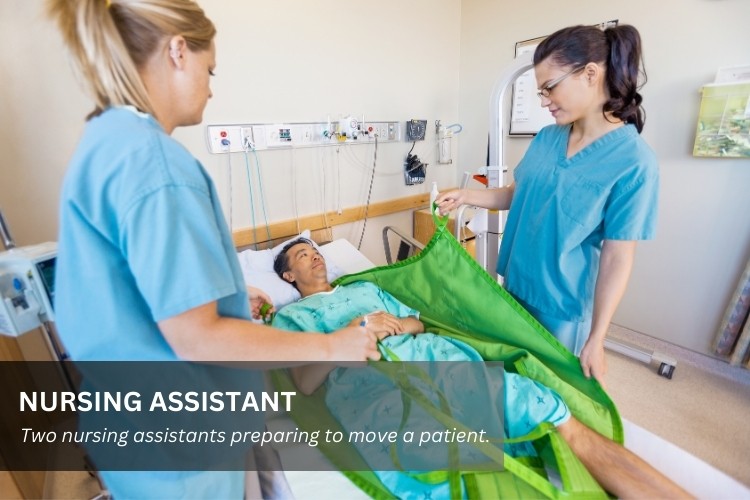
Nursing Assistant
- Education: 6 to 12 weeks
- Degree: Diploma or Certificate
- License: CNA
- Avg Salary: $30,290
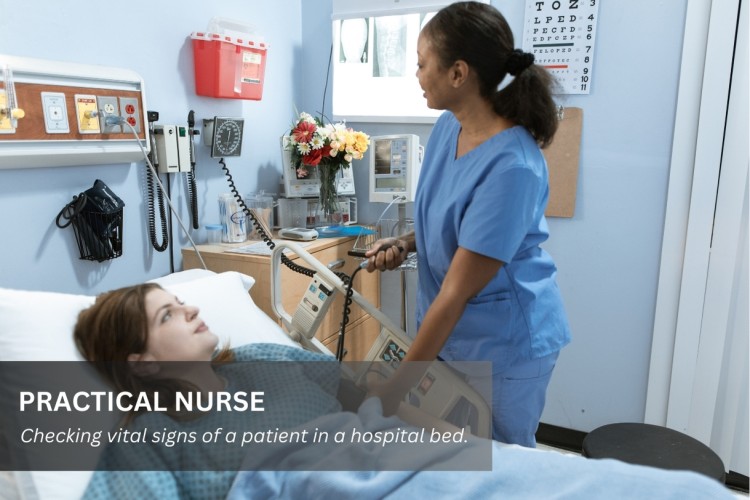
Practical Nurse
- Education: 1 to 1.5 years
- Degree: Diploma or Certificate
- License: LPN or LVN
- Avg Salary: $48,070

Registered Nurse
- Education: 2 to 4 years
- Degree: ASN or BSN
- License: RN
- Avg Salary: $77,600
Advanced-Level Careers
I'm Already A Registered Nurse
If you're already a licensed Registered Nurse (RN), there are many ways to grow your nursing career, whether through formal education or hands-on experience. Earning a Master of Science in Nursing (MSN), Doctor of Nursing Practice (DNP), or even a PhD can lead to roles in leadership, advanced clinical practice, or healthcare policy. But graduate school isn't the only path forward. Many nurses advance into supervisory, management, or specialty roles over time through on-the-job experience and professional certification. If you're exploring career changes or looking to specialize without pursuing a higher degree, browse our nursing specialties section further down this page.
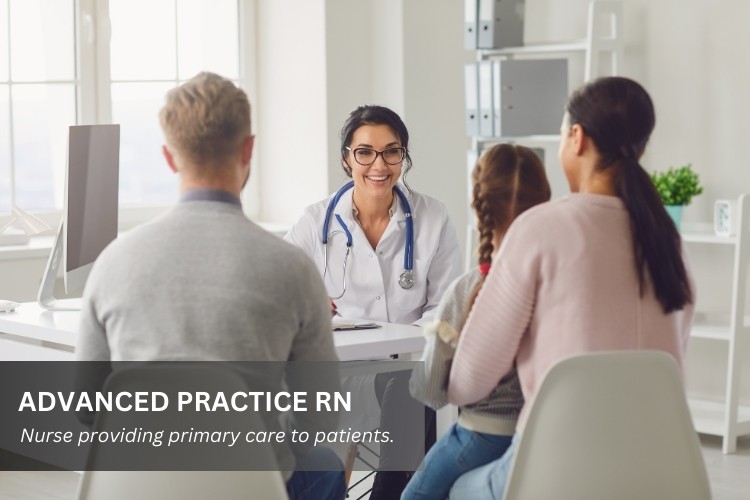
Advanced Practice Nurse
- Education: 6 to 8 years
- Degree: MSN, DNP, or PhD
- License: RN and APRN
- Certification: Varies
- Avg Salary: $125,000
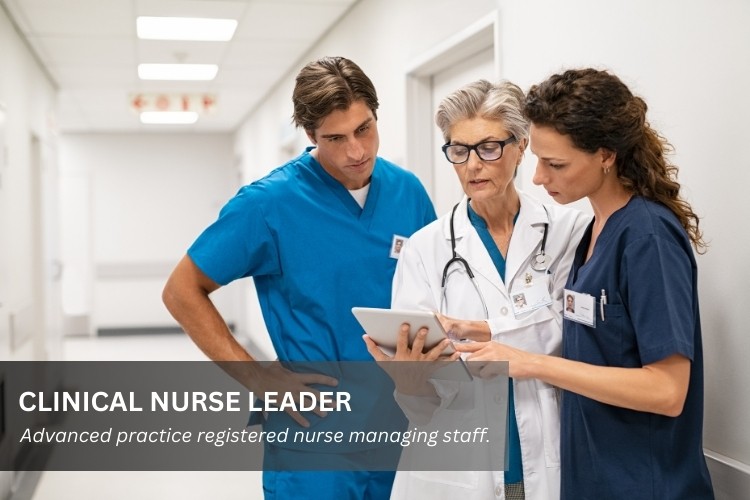
Clinical Nurse Leader
- Education: 6 to 7 years
- Degree: MSN
- License: RN
- Certification: CNL
- Avg Salary: $100,000
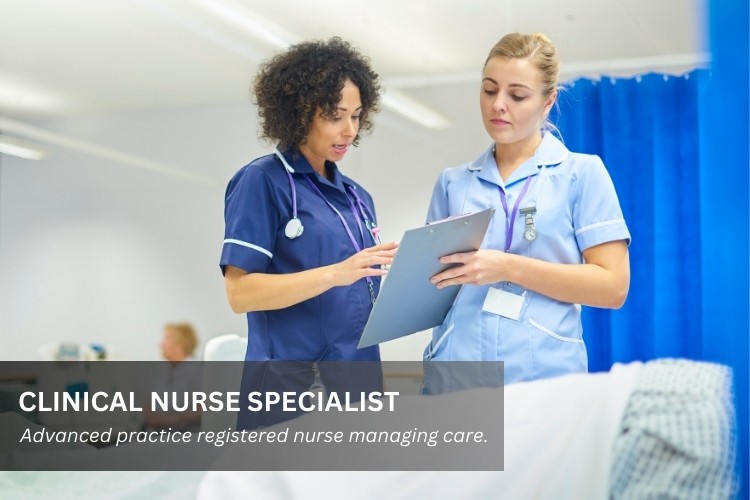
Clinical Nurse Specialist
- Education: 6 to 8 years
- Degree: MSN or DNP
- License: RN and APRN
- Certification: CNS-BC
- Avg Salary: $115,000

Health Policy Nurse
- Education: 6 to 8 years
- Degree: MSN, DNP, or PhD
- License: RN
- Certification: Varies
- Avg Salary: $100,000
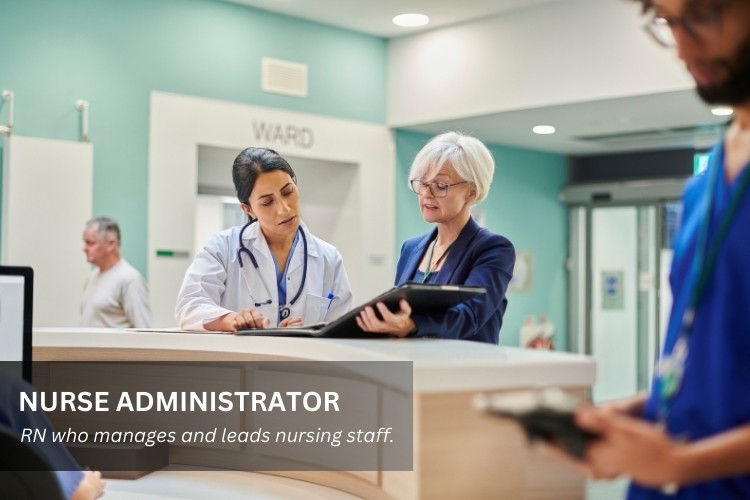
Nurse Administrator
- Education: 6 to 8 years
- Degree: MSN or DNP
- License: RN
- Certification: NE-BC
- Avg Salary: $110,000

Nurse Midwife
- Education: 6 to 7 years
- Degree: MSN or DNP
- License: RN and CNM
- Certification: AMCB
- Avg Salary: $110,000
Nursing Specialties
I Already Have Some Nursing Experience
How many nursing specialties are there? By our count, there are at least 100 nursing specialties, and more are emerging as healthcare evolves. A nursing specialty is often defined by a specific job title, clinical focus, or patient population. Each role differs in setting, required education, license or certification, and daily responsibilities. Nursing specialties span from entry-level positions to advanced practice roles and may require additional training or professional credentials. These nursing specialty career guides outline the education pathways, licensing, certifications, and average salaries associated with each career.
- Advanced Practice APRN
- Ambulatory Care Nurse
- Bariatric Nurse
- Blood Management Nurse
- Burn Care Nurse
- Camp Nurse
- Cardiac Care Nurse
- Cardiac Cath Lab Nurse
- Case Management Nurse
- Charge Nurse
- Clinical Nurse Leader
- Clinical Nurse Specialist
- Correctional Nurse
- Cosmetic Nurse
- Critical Care Nurse
- Dermatology Nurse
- Developmental Disability Nurse
- Diabetes Nurse
- Dialysis Nurse
- Domestic Violence Nurse
- Emergency Nurse
- Enterostomy Nurse
- Family Nurse Practitioner
- Fertility Nurse
- Flight Nurse
- Forensic Nurse
- Gastroenterology Nurse
- Genetics Nurse
- Geriatric Nurse
- Gerontological Nurse Practitioner
- Gynecology Nurse
- Health Policy Nurse
- Hematology Nurse
- HIV AIDS Nurse
- Holistic Nurse
- Home Health Nurse
- Hospice Nurse
- Hyperbaric Nurse
- ICU Nurse
- Infection Control Nurse
- Informatics Nurse
- Infusion Nurse
- Labor and Delivery Nurse
- Legal Nurse Consultant
- Long Term Care Nurse
- Managed Care Nurse
- Medical Surgical Nurse
- Mental Health Nurse
- Military Nurse
- Missionary Nurse
- Neonatal Nurse
- Neonatal Care Nurse
- Nephrology Nurse
- Neuroscience Nurse
- Nurse Administrator
- Nurse Advocate
- Nurse Anesthetist
- Nurse Attorney
- Nurse Care Coordinator
- Nurse Educator
- Nurse Entrepreneur
- Nurse Executive
- Nurse Health Coach
- Nurse Manager
- Nurse Midwife
- Nurse Practitioner
- Nurse Technician
- Nurse Writer
- Obstetrics Nurse
- Occupational Health Nurse
- Oncology Nurse
- Operating Room Nurse
- Ophthalmic Nurse
- Orthopedic Nurse
- Otorhinolaryngology Nurse
- Pain Management Nurse
- Palliative Care Nurse
- Parish Nurse
- Pediatric Endocrinology Nurse
- Pediatric Nurse
- Pediatric Nurse Practitioner
- Perianesthesia Nurse
- Perinatal Nurse
- Perioperative Nurse
- Plastic Surgery Nurse
- Postpartum Nurse
- Preoperative Nurse
- Private Duty Nurse
- Psychiatric Nurse
- Psychiatric Nurse Practitioner
- Public Health Nurse
- Pulmonary Care Nurse
- Radiology Nurse
- Recovery Room Nurse
- Rehabilitation Nurse
- Renal Dialysis Nurse
- Reproductive Nurse
- Research Nurse
- Respiratory Nurse
- Rheumatology Nurse
- School Nurse
- Substance Abuse Nurse
- Surgical Nurse
- Telemetry Nurse
- Telephone Triage Nurse
- Toxicology Nurse
- Transplant Nurse
- Trauma Nurse
- Travel Nurse
- Urology Nurse
- Wound Care Nurse
When should I choose a nursing specialty? Becoming a Registered Nurse is often the first major milestone in a nursing career. Some Associate and Bachelor degree programs include opportunities to explore a nursing specialty through elective courses or clinical rotations, while others offer a more general curriculum. Once you begin working in the field, specialty options may become clearer based on your experiences, interests, or staffing needs. With a national nurse turnover rate of around 20%, it's not uncommon for employers to encourage lateral moves into new roles. Pursuing a nursing specialty may also require additional coursework, certification, or on-the-job training, depending on the path you choose.
Last updated: April 16, 2026
References:
- Healthcare Occupations. Bureau of Labor Statistics, U.S. Department of Labor. Retrieved April 16, 2026.
- Nursing Licensing and Registration. Florida Board of Nursing. Retrieved April 16, 2026.
- BON Responsibilities and Services. Texas Board of Nursing. Retrieved April 16, 2026.
- General Practice Information. California Board of Registered Nursing. Retrieved April 16, 2026.
- The impact of nurse turnover. Advisory Board, Daily Briefing. Retrieved April 16, 2026.
- Nursing Career Pathways. American Nurses Association (ANA). Retrieved April 16, 2026.
- Nationwide Opportunities. AMN Healthcare, Careers. Retrieved April 16, 2026.